Discovering Our World
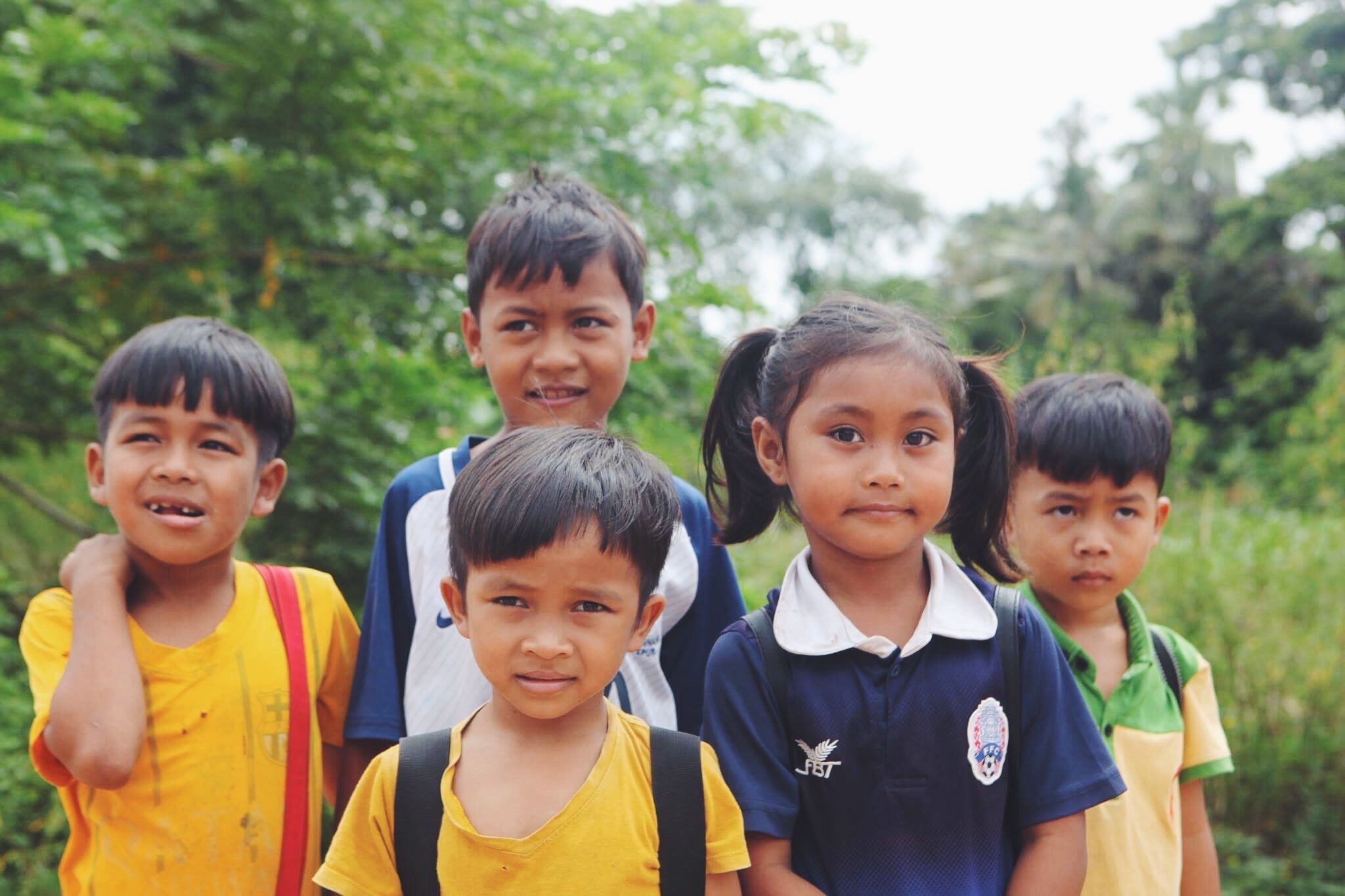
Images by Eve Gower
2017.
The year I travelled to Cambodia on a three-week Our World school immersion program.
It’s not every day you get to go overseas for school, but this extension of Global Politics curriculum, endeavoured to enrich our learning and understanding of the interconnectedness of the world.
But i’m not sure any classroom discussion could have prepared us for it’s impact.
This was the trip that changed it all.
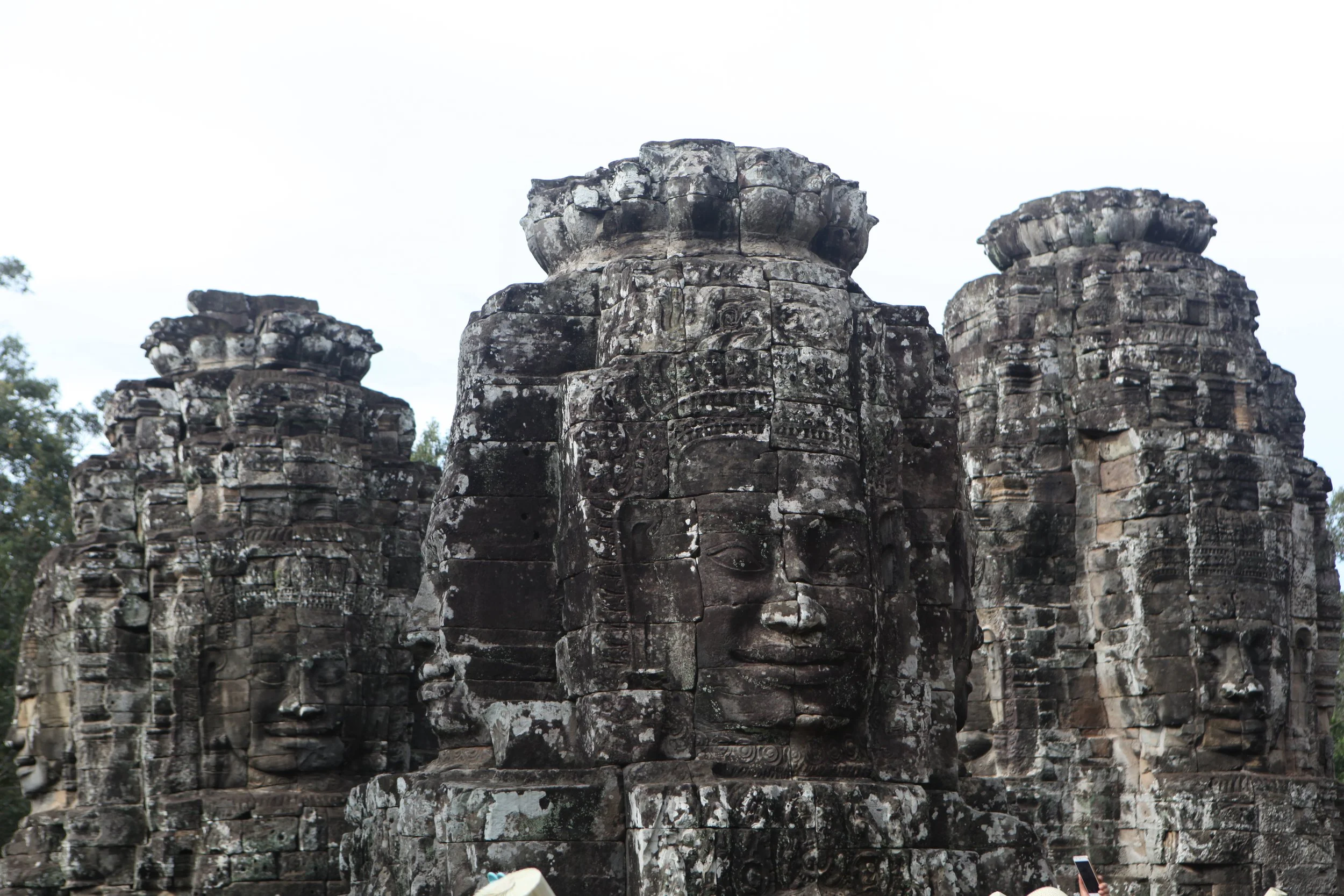
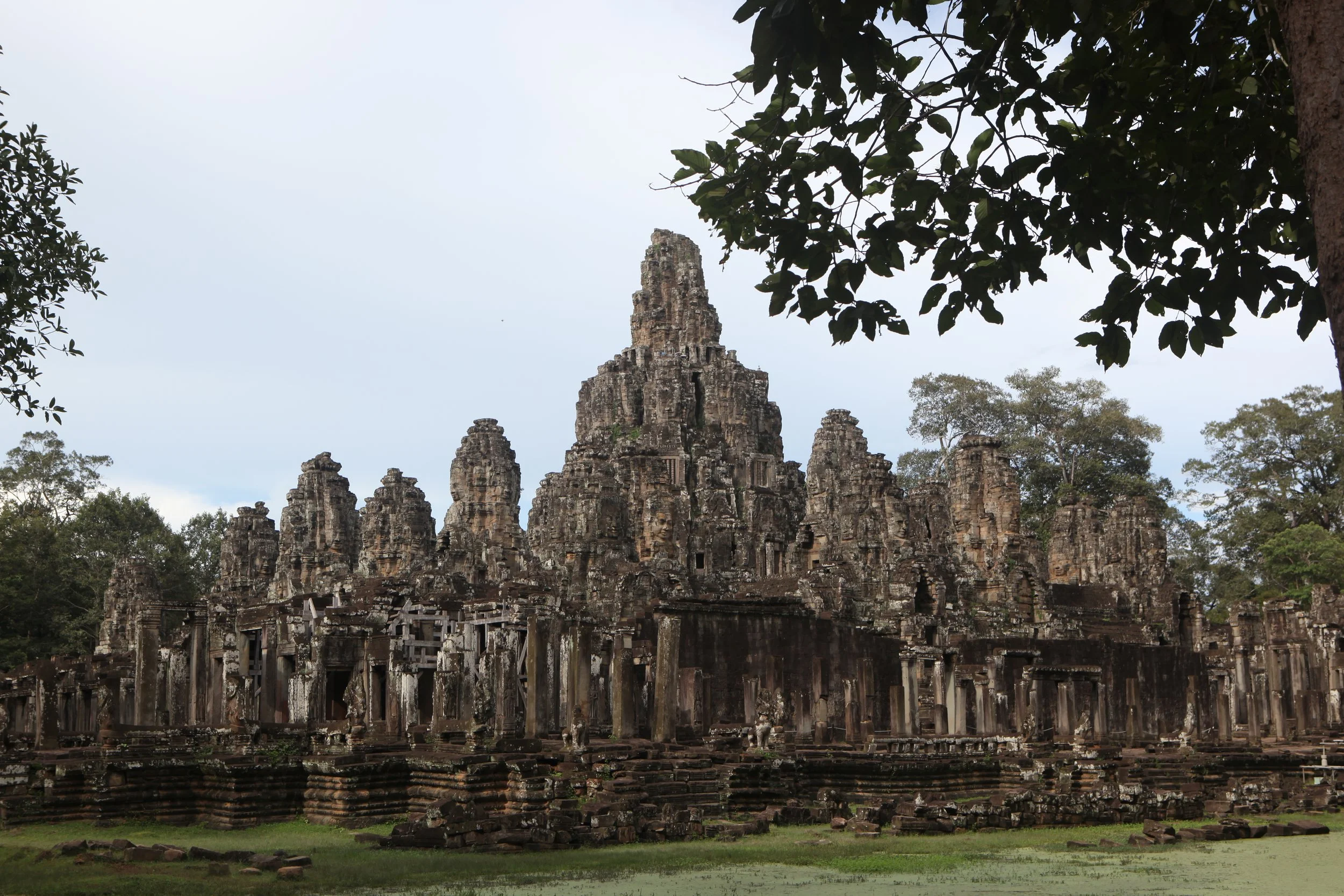
Less than fifty years ago, Cambodia was under the leadership of Pol Pot and the Khmer Rouge — a radical communist regime. From 1975 to 1979, they attempted to create a classless, agrarian society. Cities were emptied.
Money, religion, and education were abolished. Anyone perceived as educated or ‘elite’ — teachers, doctors, artists, monks, even people who wore glasses — was imprisoned, tortured, or executed. In just four years, an estimated 1.7 to 2 million people lost their lives through execution, starvation, forced labour, and disease.
And suddenly, I was looking up at a stupa filled with nine thousand skulls, and a Samanea saman tree decorated with harrowingly vibrant, hand-woven bracelets — each one a tribute to the children and babies who lost their lives at this very site and in the mass graves of Choeung Ek, the Killing Fields.
Visiting the Killing Fields and Tuol Sleng (S21), a former school turned prison, entrenched a feeling of utter shock and disbelief at the reality of what had happened in this nation. It was not distant history, but something that occurred within living memory.
We met locals still physically scarred, and psychologically and generationally marked by trauma. The Khmer Rouge didn’t just destroy lives — it fractured families, erased knowledge, and left a legacy that continues to shape Cambodia today.
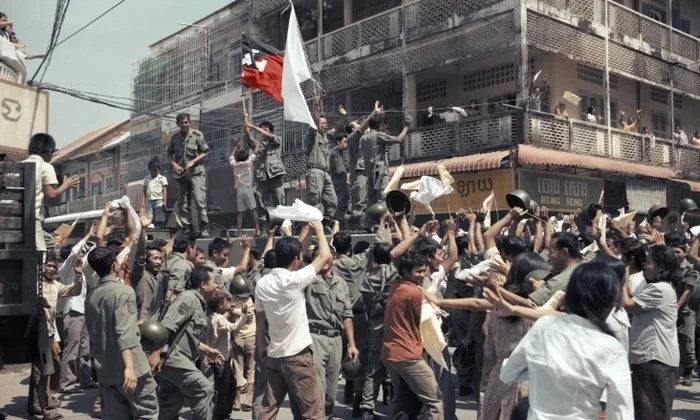
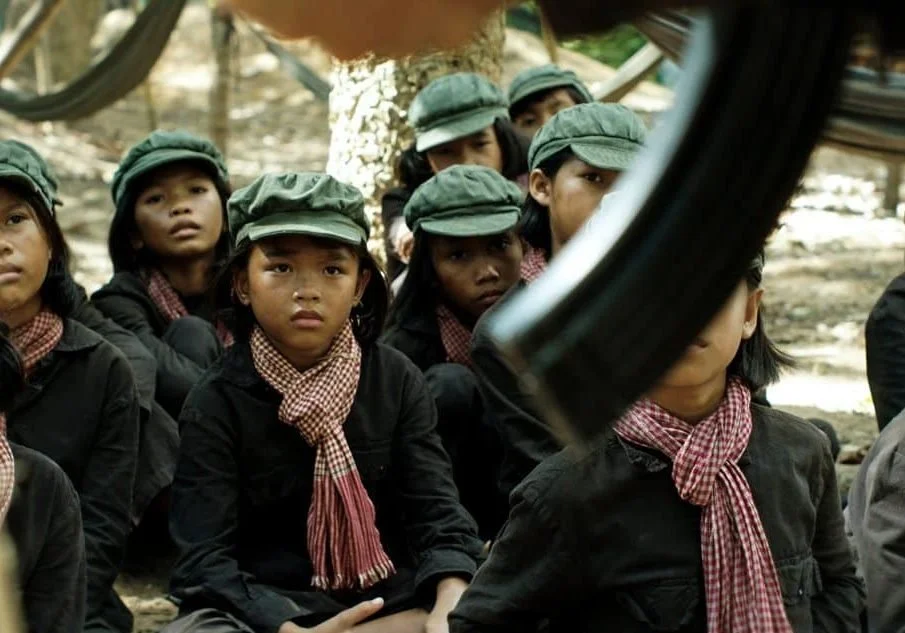
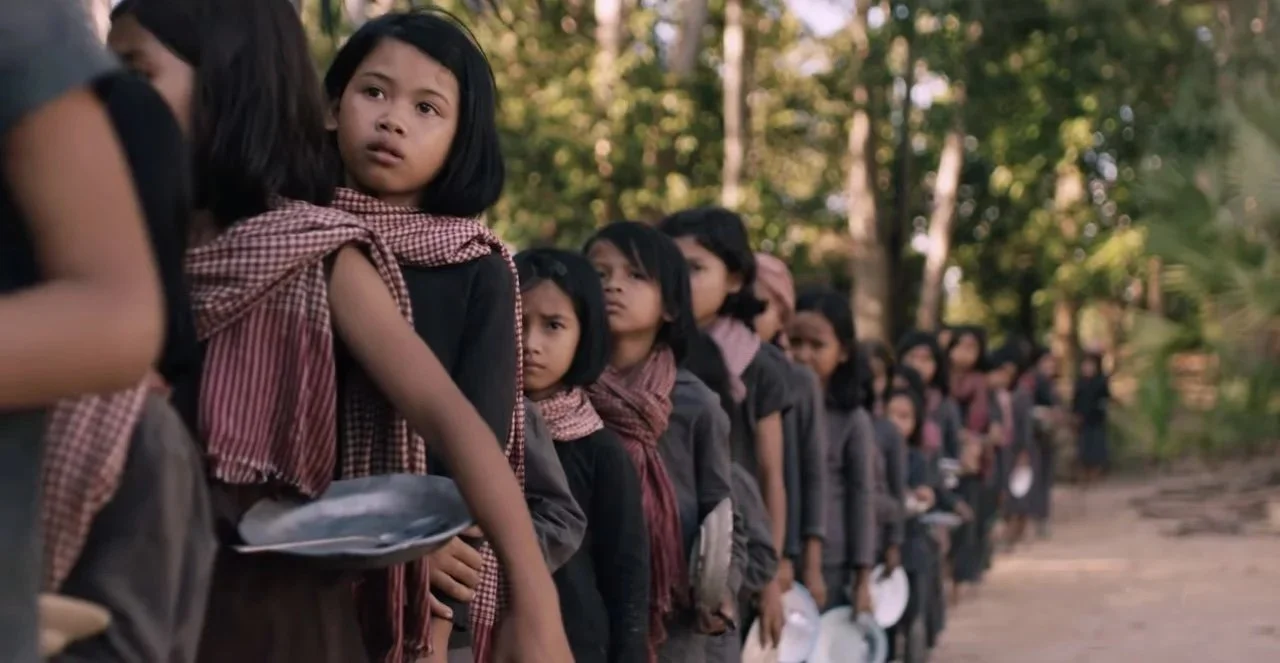
One afternoon, we escaped the tropical downpour and crammed into a small local theatre to watch the newly released Angelina Jolie film, First They Killed My Father.
The story follows the true experiences of five-year-old Loung Ung, forced to train as a child soldier while her siblings were sent to labour camps.
The story is heartbreaking — a tale of despair, loss, and resilience that embodies the genocide (images above).
But being physically in the country it depicts was confronting in a way words can barely capture.
It was at that moment — in the silence of the credits, the heaviness on my chest — that I truly understood the power of travel.
Its power to guide. Its power to teach.
Beyond the Classroom
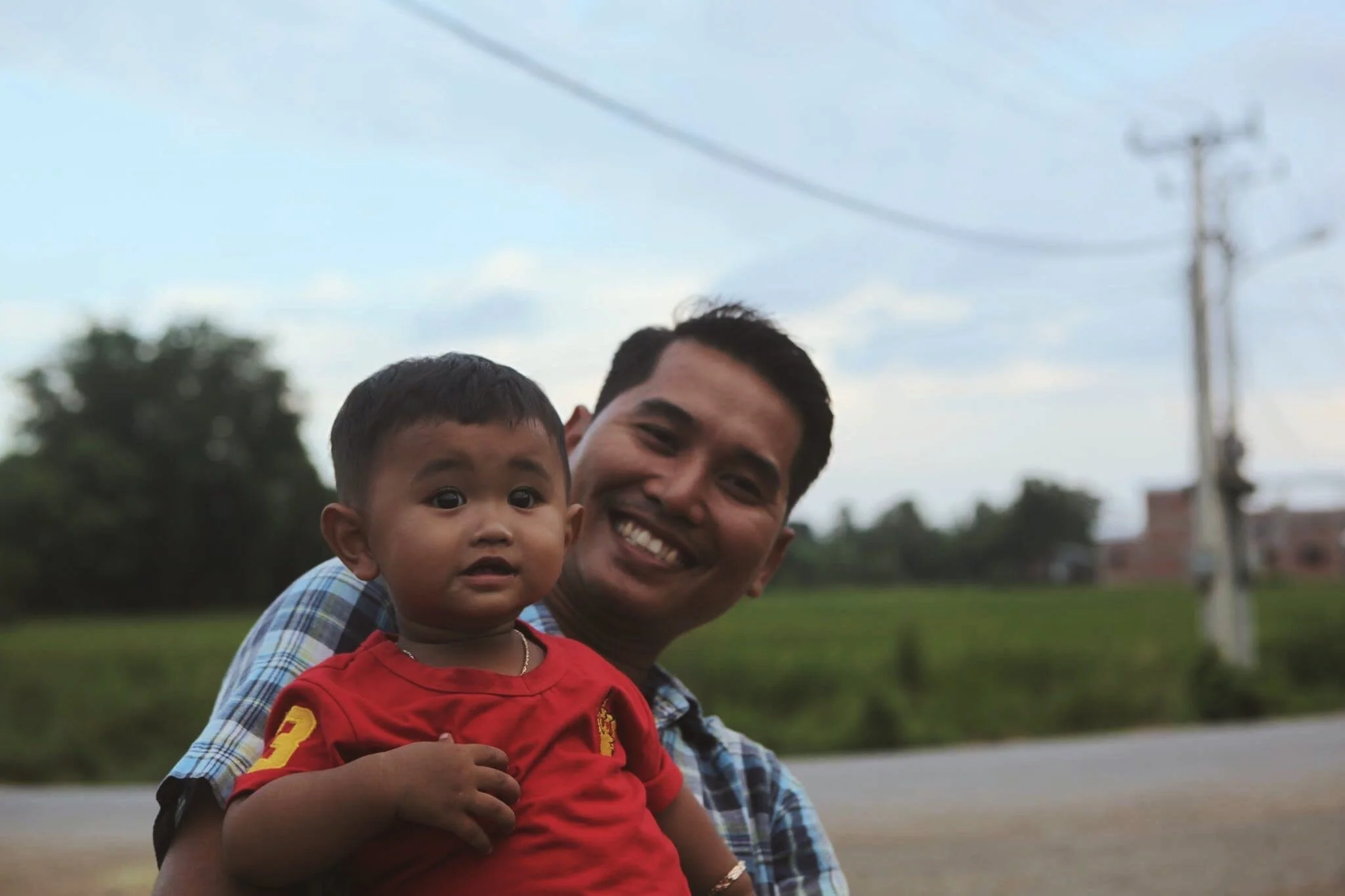
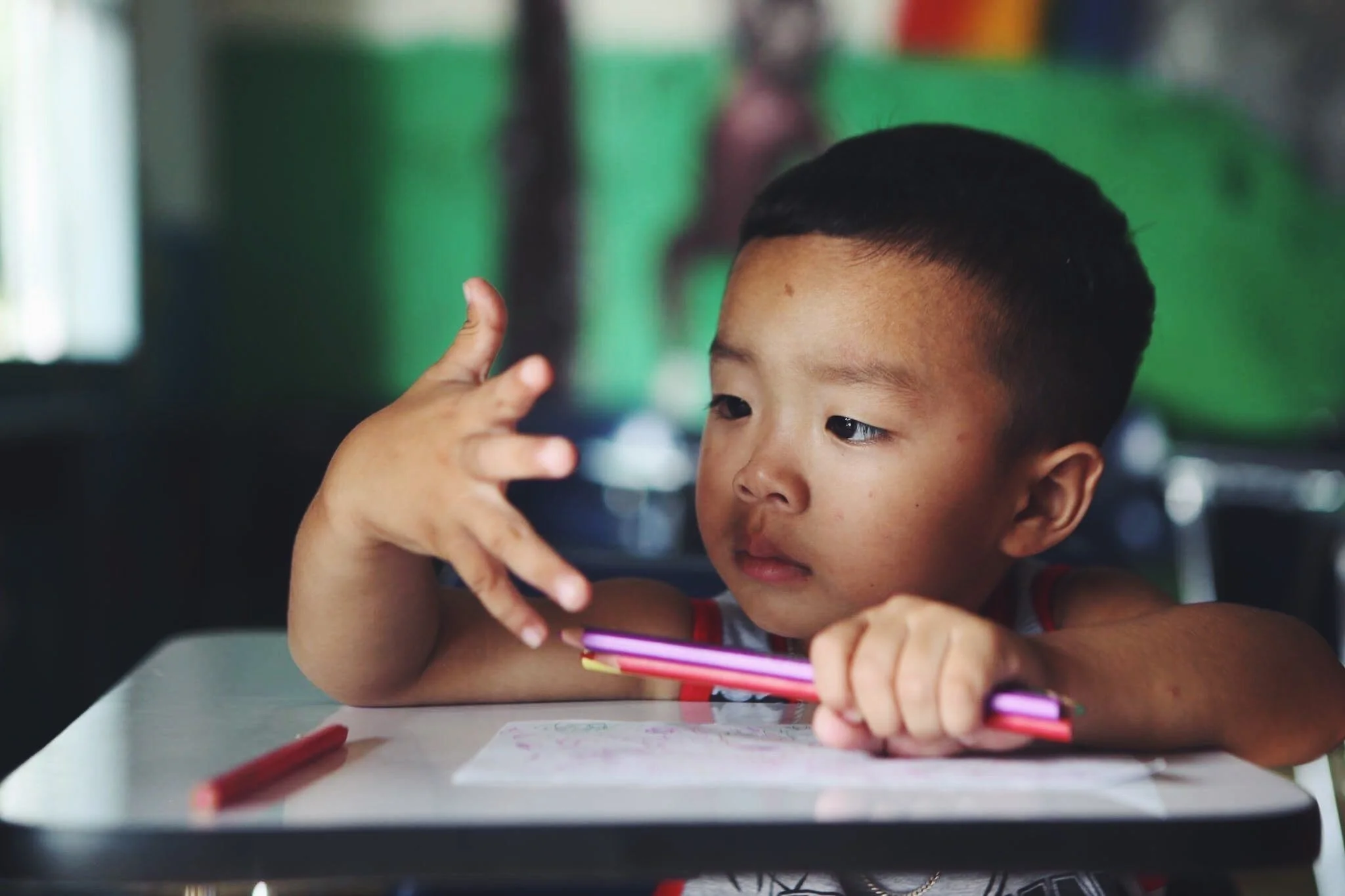
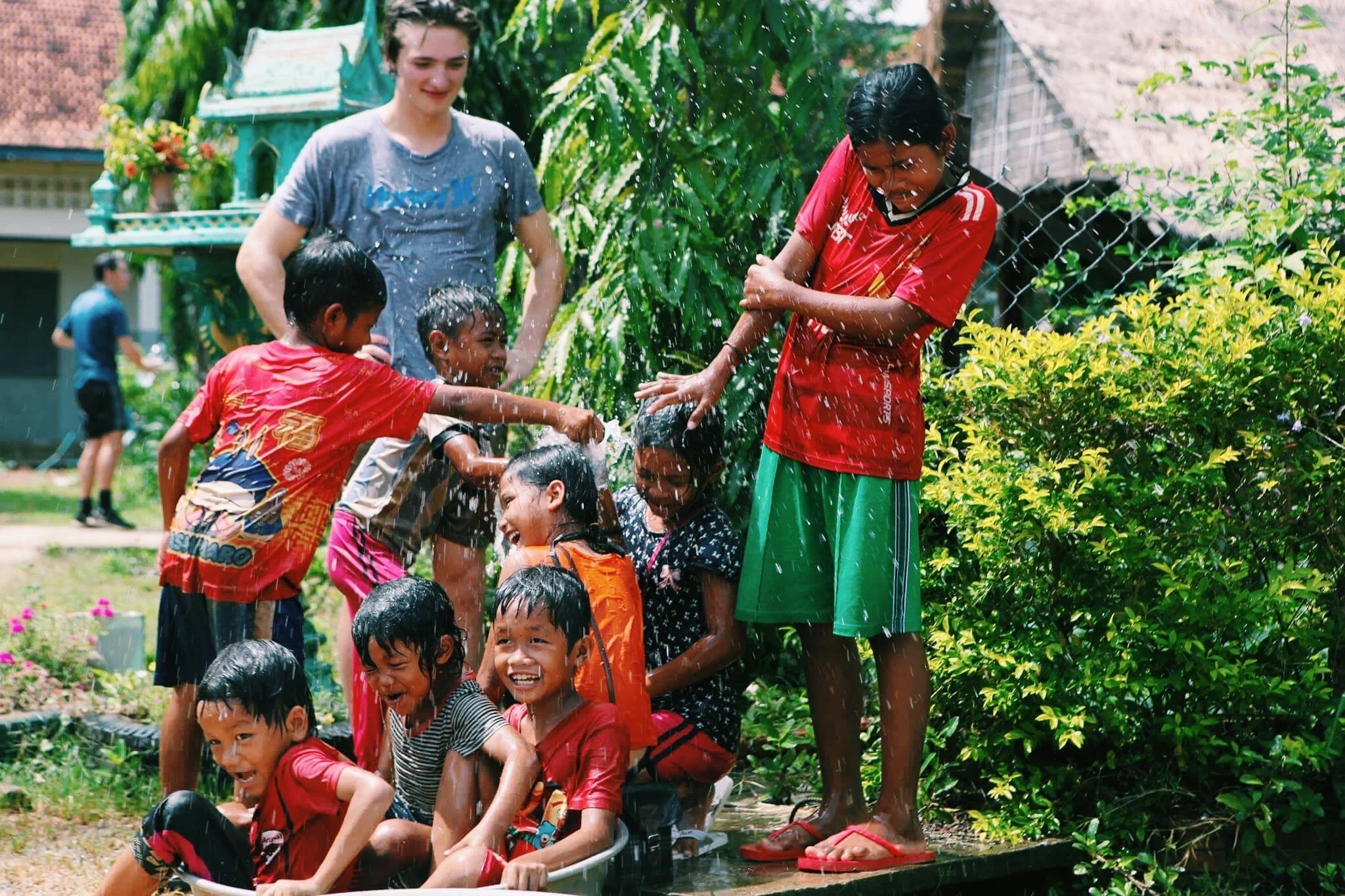
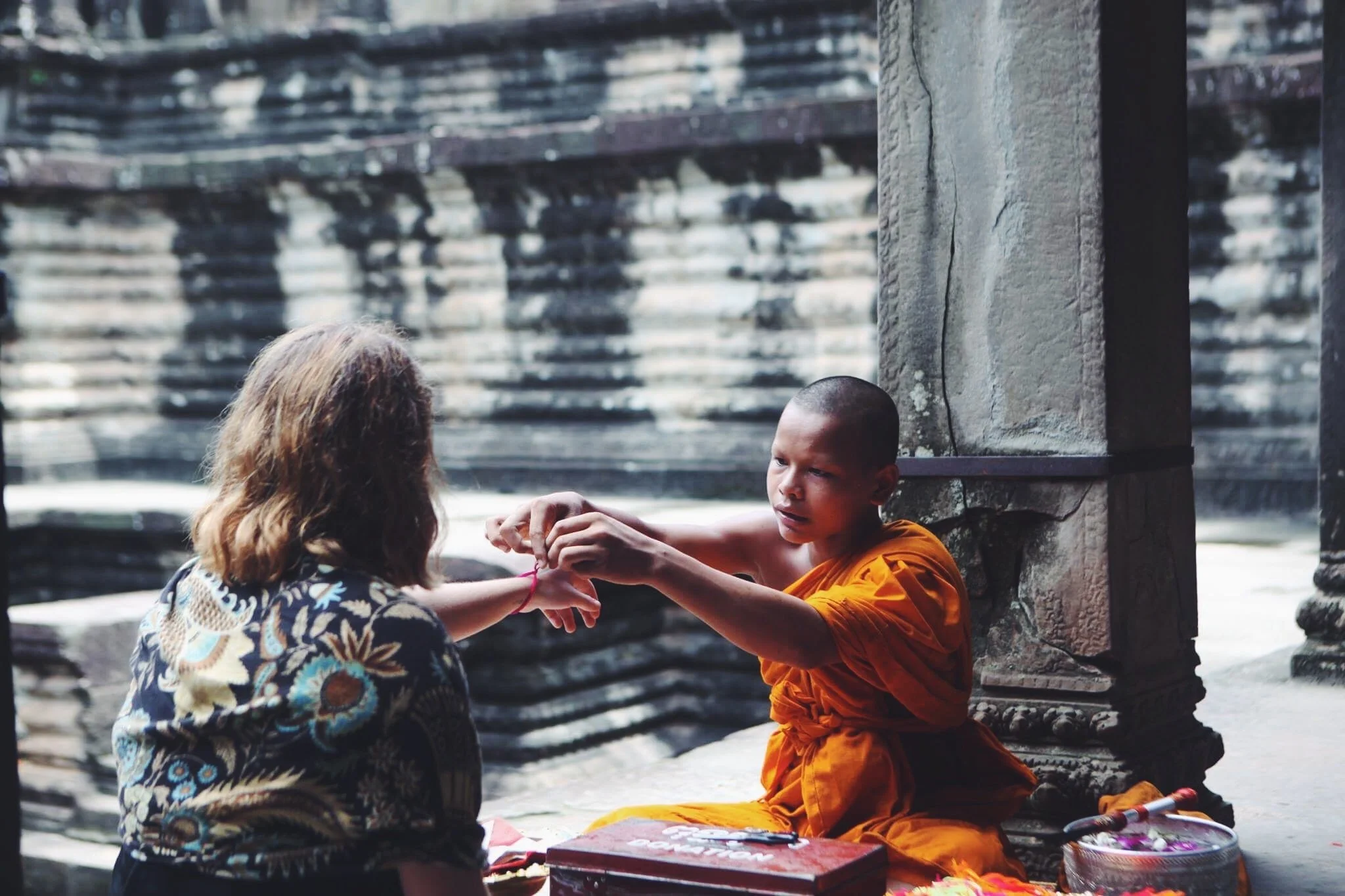
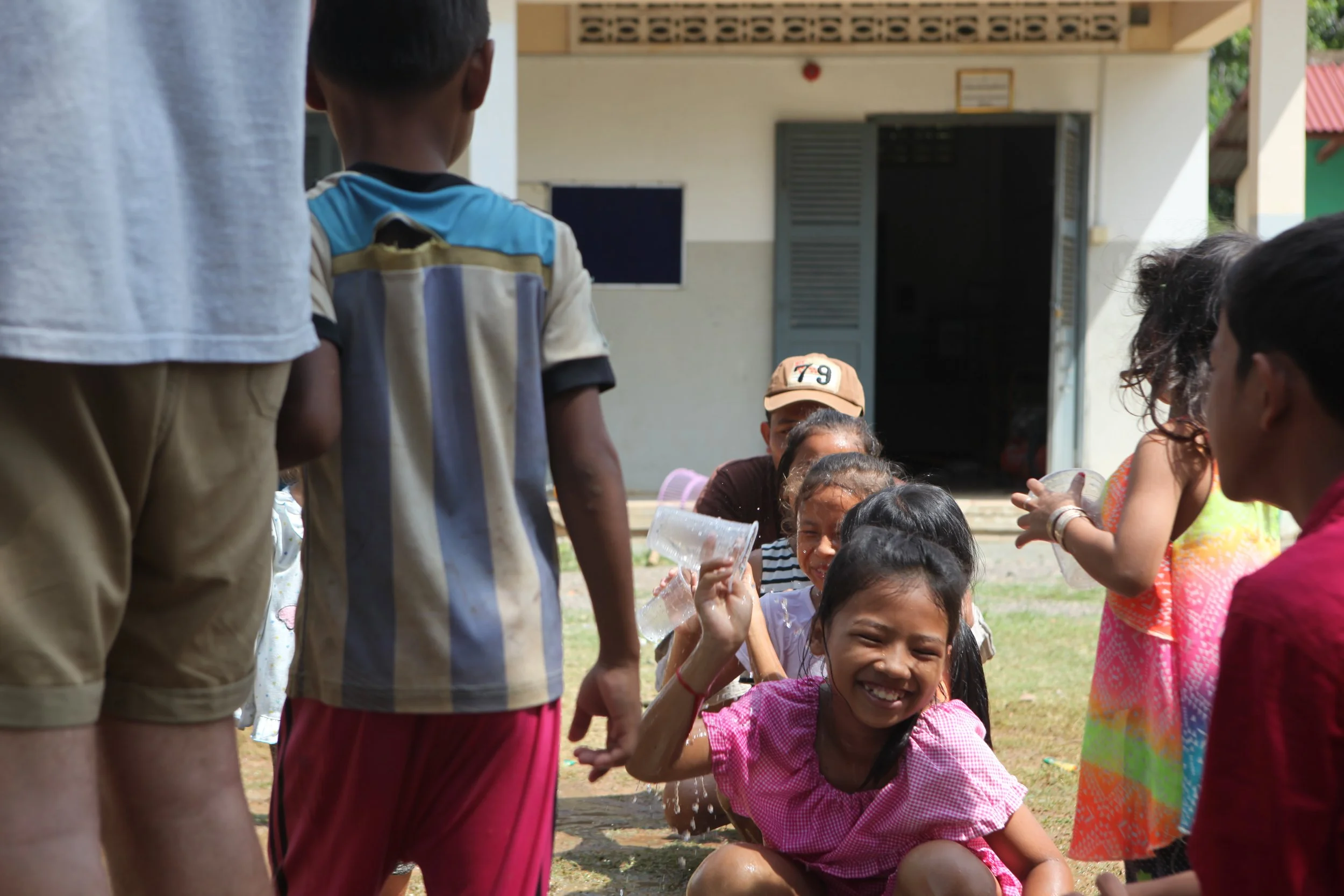
What followed were two incredible weeks travelling through this deeply beautiful, lush, and vibrant country with around ten classmates — eating scorpions, dancing to traditional music, and spending time in the communities of Battambang and Chumbok.
We volunteered with the local NGO Ptea Teuk Dong (PTD), teaching English, running activities. Meeting some of the most engaged and driven students I have ever encountered — young people determined to squeeze everything they could out of their education.
Travel Changes Everything
As global citizens, we have a responsibility to make a positive impact, to learn from the past, connect with culture, and listen deeply to its people — carrying forward the promise of peace, compassion, and kindness.
Stepping outside our comfort zone and into Our World was one of the most intimidating, yet deeply rewarding, experiences a person can have.
Travel is so much more than a sun lounger by the pool or spotting celebrities. Travel is learning about the places we inhabit, the people who live there, the traditions they carry, and the histories that led us here — and ultimately, how these experiences shape who you are, what you value, and who you want to become.
There is a whole world out there — you just have to be brave enough to find it.
Curious about how international volunteering can change your outlook on life?
Tune in the podcast for an inspiring convo on building resilience through travel 🌏✨
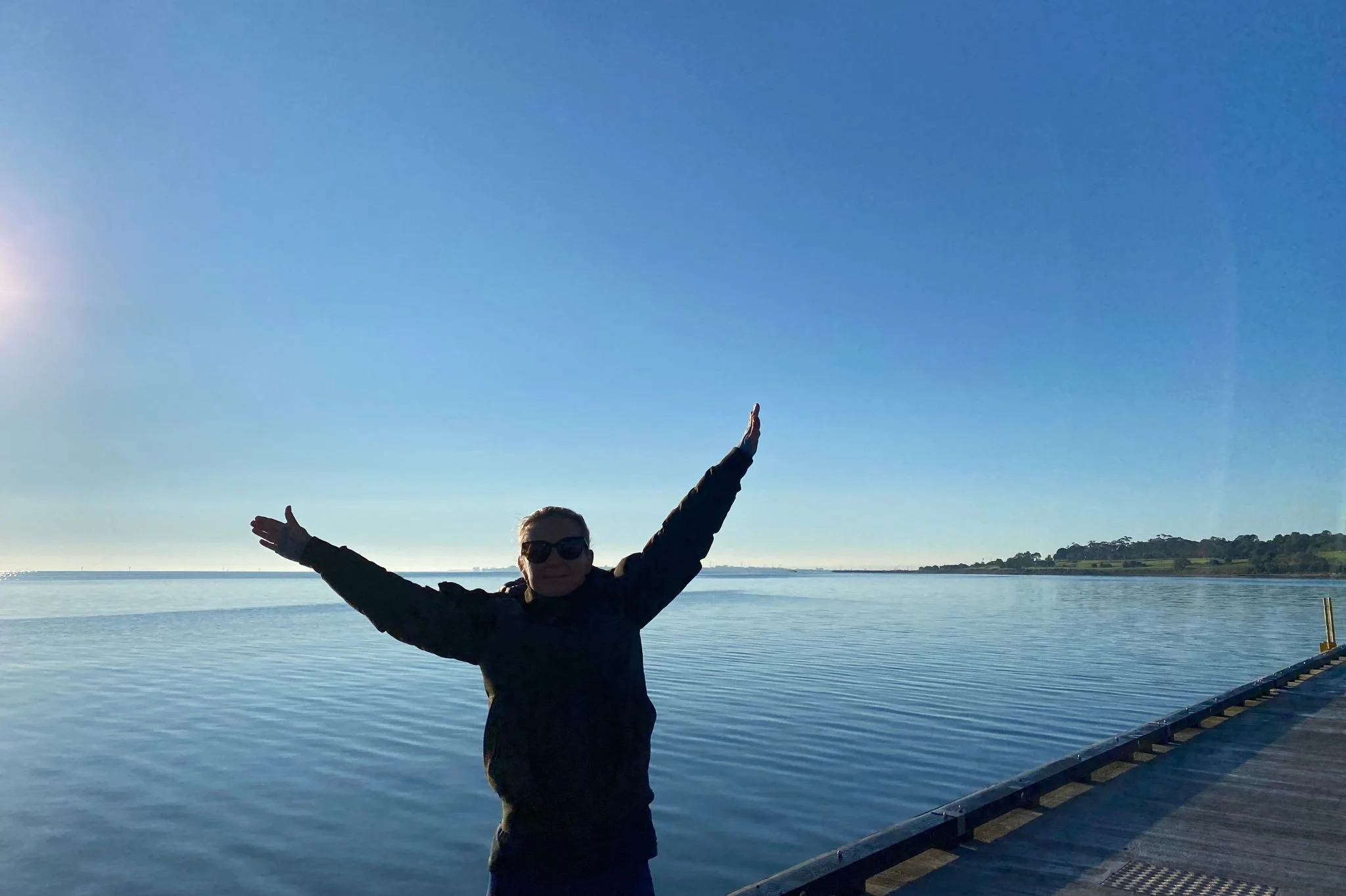



A reflective Sunday walk along the Point Addis to Bells Beach coastal trail on the Great Ocean Road. A warm autumn morning, golden light, surfers, and special moments shared on Wadawurrung Country.